

Connestee Falls
Natural Resources Stewardship Committee

Invasive Species Control
The Problem With Invasive Species
Invasive Species: An invasive species can be any kind of living organism—an amphibian (like the cane toad), plant, insect, fish, fungus, bacteria, or even an organism’s seeds or eggs—that is not native to an ecosystem and causes harm. They can harm the environment, the economy, or even human health. Species that grow and reproduce quickly, and spread aggressively, with the potential to cause harm, are given the label “invasive.”
Parrot Feather
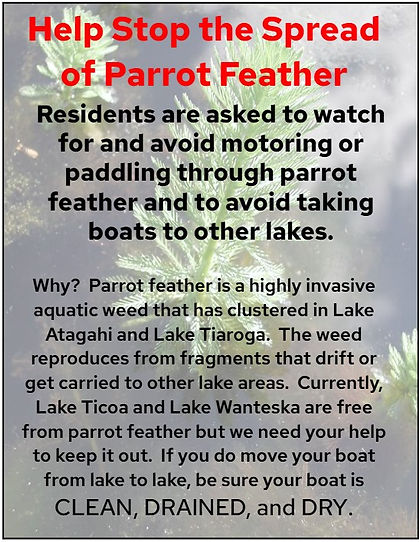
Parrot Feather is a highly invasive aquatic weed that has established colonies in both Lake Atagahi and Lake Tiaroga.
CFPOA is testing various mitigation options. A small test using the herbicide Aquathol K was conducted along the shoreline of Little Atagahi in September 2024. Mitigation tests resumed on Little Atagahi in early May 2025 with a different herbicide Sonar PR by SePro. The area is being monitored to determine the effectiveness of the new treatment. Future treatments are anticipated in Big Atagahi and Tiaroga. Contact the cfpoa@connesteefalls.com if you have questions concerning mitigation efforts.



"Although the Property is in relatively natural condition, there are several populations of exotic invasive plants (EIP) that are of concern, chiefly Japanese spiraea (Spiraea japonica), Chinese silvergrass (Miscanthus sinensis), Autumn olive (Elaeagnus umbellata), Chinese privet (Ligustrum sinense), Japanese honeysuckle (Lonicera japonica), riental bittersweet (Celastrus orbiculatus), Japanese barberry (Berberis canadensis), and multiflora rose (Rosa multiflora). Some other species, such as Japanese stiltgrass (Microstegium vimineum), sericea lespedeza (Lespedeza cuneata), shrubby lespedeza (L. bicolor), are widely dispersed across the property, occurring in most roadsides, trails (concentrated at trailheads), disturbed areas, and other actively managed zones. Japanese spiraea and Chinese silvergrass infestations appear to originate from landscape plantings from certain private landscapes throughout the community, whereas the other EIP species are artifacts from outside infestations brought in by vehicles, wildlife, or wind." (Equinox NRI Report, page 31)
Controlling Invasive Species
-
PREVENTION: Avoiding Invasive Plants-The best way to avoid invasive plant problems is prevention.
Simply put—do not purposefully introduce plants known to be invasive into your garden or yard. The CF Mountain Gardeners produced the "Connestee Falls Landscaping Handbook" to help members create beautiful landscapes in our mountain community. The Handbook lists these common box store and nursery invasive plants that should not be planted in CF:-
Tree-of-heaven
-
Mimosa (silk tree)
-
Butterfly bush (except new dwarf varieties)
-
Oriental bittersweet
-
Cogongrass (Japanese Bloodgrass)
-
Autumn olive and Russian olive
-
Japanese knotweed (Mexican bamboo)
-
English ivy (also deer browse it)
-
Chameleon plant
-
Shrub bushclover
-
Chinese privet
-
Japanese honeysuckle
-
Nepalese browntop grass
-
Chinese silvergrass (Miscanthus)
-
Princess tree
-
Multiflora rose
-
Periwinkle
-
-
Mitigating Invasive Plants (IP)-The NRSC seeks volunteers who are willing to assist with Invasive Plant Task Force work to mitigate invasive plants at trail heads, along the trails and roadways of other POA natural areas. VOLUNTEER HERE
-
Promoting Native Landscapes- The NRSC recommends the use of native plants when planning landscapes. The NC State Extension provides a comprehensive publication, Landscaping for Wildlife. North Carolina’s native plants provide well-adapted food and cover for native animals, and a well-planned landscape of native plants can help you attract a diversity of wildlife to your property.
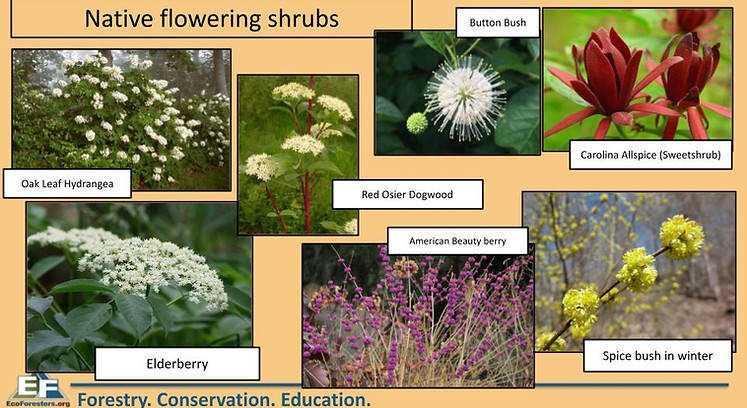

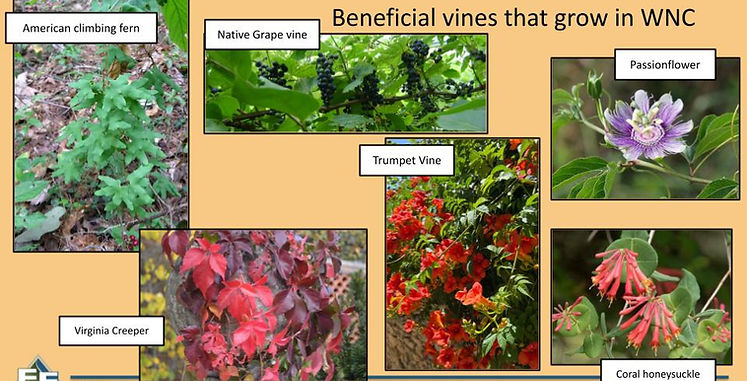

**Check out the EcoForesters Non-native Invasive Plant Identification and Control Methods presentation to learn more!